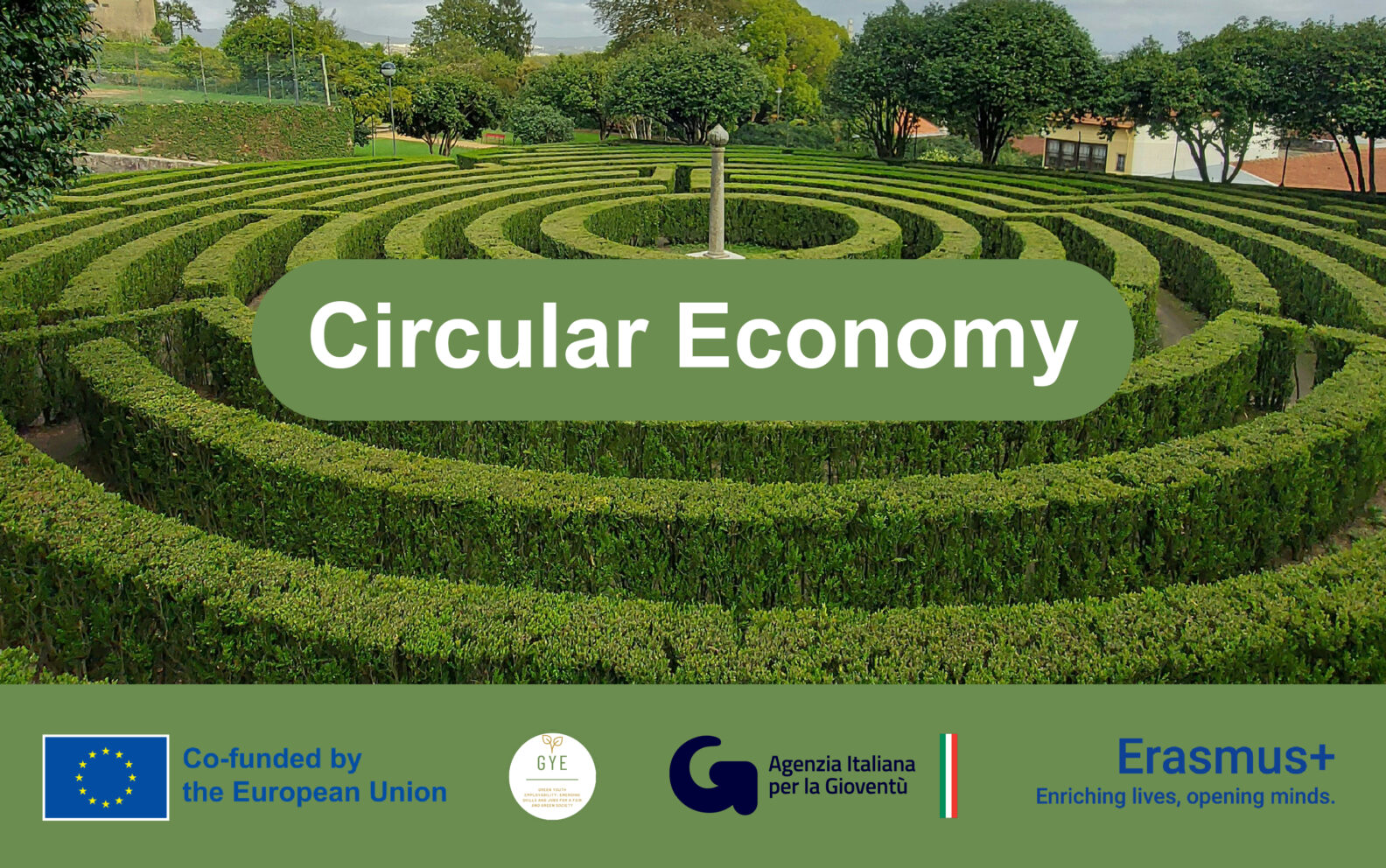
Circular Economy
- 5 Sections
- 6 Lessons
Module 1
Module 2
Module 3
Module 4
Module 5
In this Environmental Assessment and Circular Economy course, I guide you through the theoretical, legislative, and practical foundations of sustainability within business, policy, and industry. We explore key topics such as climate change, sustainability, the polluter pays principle, the European Green Deal, and the EU Taxonomy for Sustainable Investments.
You will learn how to calculate and reduce both carbon and ecological footprints, apply eco-design strategies, and assess environmental impacts beyond emissions, including energy consumption, land use, waste, noise, and light pollution. We also analyze how digitalization influences these impacts and how circular solutions can optimize resource use and minimize waste.
Through practical examples, I demonstrate how businesses, public administrations, and civil engineers can apply these concepts to foster the transition towards resilient and sustainable systems, enhancing employability in the green economy.
Want to submit a review? Login and enrolled
Reviews
-
Jan 27, 2026 @ 8:31 am
Building a Circular Mindset
...
-
Jan 23, 2026 @ 9:38 am
It was interesting.
The content was very interesting.
-
Jan 12, 2026 @ 1:39 pm
Circular economy
Reflection on the Circular Economy Module (GYE Project) While completing the Circular Economy module as part of the GYE project, I gained a comprehensive and meaningful understanding of the principles of sustainable development and the urgent need to transition from a traditional linear economic model to a circular one. The module provided a structured and well-organized learning experience that gradually introduced key concepts, making them easy to follow and understand. From the very beginning, it became clear that the circular economy is not only an environmental concept but also an economic and social framework that can significantly contribute to long-term sustainability. One of the most important insights I gained from the module was the clear distinction between the linear “take–make–use–dispose” model and the circular economy approach. The linear model, which has dominated global economic systems for decades, is based on continuous resource extraction and consumption, resulting in large amounts of waste and environmental degradation. In contrast, the circular economy aims to minimize waste, keep resources in use for as long as possible, and regenerate natural systems. Understanding this fundamental difference helped me better grasp why a systemic change is necessary and why small, isolated actions are not sufficient on their own. The module emphasized the importance of efficient resource use and highlighted how natural resources are finite and increasingly under pressure due to population growth, industrialization, and rising consumption levels. Through the learning materials, I realized how critical it is to rethink the way products are designed, produced, used, and disposed of. The concept of designing products for durability, repairability, reuse, and recycling was particularly interesting to me, as it demonstrated how sustainability can be integrated already at the design stage, rather than addressed only at the end of a product’s life cycle. Another
-
Dec 23, 2025 @ 11:38 am
Interesting & Visual Information
The videos and the information shared are easy to understand. From my perspective, I would improve when you pause a video and it keeps recommending other videos, it's difficult to see the full screen all the times.
-
Dec 23, 2025 @ 11:36 am
Too Long but it's interesting
just because of the time, but it's interesting


Related Courses
Sustainable Cuisine


Understand how innvotive and vegan cooking complies sustainability
Learn how to use tools and ingredients
Test the learning with practical exercises
Green Soft Skills: competencies for everyone